


Why Should Every Parent Choose the Right Play School for Their Child's Bright Future?
- protinkerbellepkl
- 6 days ago
- 8 min read

Every parent wants their child to begin life with confidence, happiness, and a love for learning. The early years are the most important stage of development because children learn new skills quickly and build habits that stay with them throughout life. Choosing the right Play School in Panchkula is one of the biggest decisions parents make, as it lays the foundation for future education and personal growth.
A nurturing preschool does much more than teach letters and numbers. It creates an environment where children feel safe, respected, and encouraged to explore the world around them. Through engaging activities, storytelling, music, art, and interactive learning, children gradually develop communication skills, creativity, and confidence. Parents looking for the Best Kindergarten in Panchkula should focus on finding a school that believes in the overall development of every child instead of concentrating only on academics.

Why Early Childhood Education Is So Important
The first five years of a child's life are often called the foundation years because this is when the brain develops rapidly. During this stage, children absorb information through observation, play, conversations, and daily experiences. A quality preschool helps children make the most of these years by providing meaningful learning opportunities that support their emotional, social, physical, and intellectual growth.
Children who attend a good preschool usually become more confident when they enter formal schooling. They learn how to interact with teachers, make friends, follow routines, express their ideas, and solve simple problems independently. These skills make the transition to primary school much smoother and less stressful.
Rather than focusing on memorization, modern early education encourages children to ask questions, explore different ideas, and enjoy discovering new things. This positive attitude towards learning often stays with them throughout their academic journey.
Learning Through Play Creates Better Understanding
Children naturally learn while playing. Every game, activity, and creative exercise teaches valuable lessons without making learning feel difficult.
Building blocks improve logical thinking and hand-eye coordination. Storytelling enhances listening skills and imagination. Drawing and painting encourage creativity while strengthening fine motor skills. Music and dance improve rhythm, confidence, and self-expression. Outdoor games promote teamwork, balance, and physical fitness.
When learning is enjoyable, children remain curious and motivated. Instead of studying because they have to, they begin learning because they genuinely enjoy exploring new experiences.
This play-based approach also reduces fear and pressure, allowing children to develop at their own pace while enjoying every stage of learning.
A Safe Environment Helps Children Feel Comfortable
For many children, preschool is the first place they spend time away from home. A warm and welcoming atmosphere helps them adjust comfortably and gradually become independent.
Teachers play a major role in helping children feel secure. Friendly interactions, patience, and encouragement help children trust their surroundings and participate confidently in classroom activities.
A clean campus, child-friendly classrooms, safe play areas, and proper hygiene practices also give parents peace of mind. When children feel emotionally and physically secure, they become more willing to learn, communicate, and participate in different activities.
Teachers Influence a Child's Future
Experienced teachers understand that every child has unique abilities and learns differently. Some children enjoy storytelling, while others learn better through activities, music, or visual demonstrations.
Instead of comparing children, skilled educators encourage individual growth. They identify strengths, support areas that need improvement, and celebrate every small achievement. Positive encouragement builds self-confidence and motivates children to continue learning.
Regular communication between teachers and parents also helps create consistency between home and school, ensuring children receive the guidance they need both inside and outside the classroom.
Communication Skills Begin at an Early Age
Strong communication skills help children throughout their lives. Preschool provides numerous opportunities for children to express themselves through conversations, storytelling, role play, singing, and group discussions.
Initially, some children may hesitate to speak, but regular interaction gradually builds confidence. They learn how to share ideas, ask questions, listen carefully, and communicate respectfully with teachers and classmates.
These experiences prepare children not only for school but also for building meaningful relationships in the future.
Emotional and Social Development Matters
Education is not only about academics. Emotional intelligence and social skills are equally important during early childhood.
Children learn how to share toys, wait patiently, cooperate with others, understand emotions, and resolve simple disagreements peacefully. These daily interactions help them become kind, respectful, and empathetic individuals.
Friendships formed during preschool also teach children the importance of teamwork, understanding different perspectives, and celebrating each other's achievements.
Creativity Encourages Independent Thinking
Creativity allows children to express themselves freely while developing imagination and problem-solving abilities.
Activities such as drawing, painting, clay modelling, storytelling, pretend play, music, and craft projects encourage children to think independently. Instead of searching for only one correct answer, they begin exploring different possibilities and solutions.
Creative learning also improves concentration and helps children become confident in expressing their thoughts and ideas.
Physical Development Supports Overall Growth
Young children need regular movement for healthy physical development. Running, jumping, climbing, balancing, dancing, and outdoor games strengthen muscles, improve coordination, and increase overall fitness.
Physical activities also improve concentration and classroom participation. Children who remain active often feel happier, healthier, and more energetic throughout the day.
A preschool that provides adequate outdoor play opportunities supports both physical and emotional well-being.
A Balanced Curriculum Makes Learning Meaningful
A thoughtfully planned curriculum introduces children to language, numbers, colours, shapes, science, art, music, and practical life skills through enjoyable activities.
Instead of overwhelming children with academic pressure, learning happens naturally through exploration and hands-on experiences. This balanced approach helps children understand concepts while maintaining their enthusiasm for learning.
Parents searching for the Best Kindergarten in Panchkula often choose schools that focus on activity-based education because it supports complete personality development alongside academic readiness.
The Importance of Parent and School Partnership
Parents remain the most important influence in a child's life. When parents and teachers work together, children receive consistent support and encouragement.
Reading storybooks at home, talking about daily experiences, encouraging curiosity, and appreciating small achievements reinforce classroom learning. Regular parent-teacher communication also helps identify each child's progress and individual learning needs.
This partnership creates a positive environment where children feel supported both at home and at school.
Preparing Children for Future Success
Early education builds habits that remain valuable throughout life. Children learn responsibility by organizing their belongings, develop confidence by participating in activities, and improve decision-making by solving simple challenges independently.
These everyday experiences gradually prepare them for primary school without creating unnecessary pressure.
A quality preschool focuses on developing confident learners rather than simply completing a syllabus. This balanced approach allows children to enjoy learning while building essential life skills.
Building Independence from the Beginning
One of the greatest benefits of early childhood education is that it helps children become independent. During their time at preschool, children learn simple everyday habits that gradually build confidence. They begin to keep their belongings in place, follow classroom routines, complete small tasks, and take responsibility for their actions.
Teachers encourage children to try new activities on their own while providing guidance whenever needed. This supportive approach allows children to overcome hesitation and become comfortable making small decisions independently. As their confidence grows, they become more willing to participate in classroom discussions, make friends, and explore new learning opportunities.
Independence developed during these early years becomes a valuable life skill that benefits children throughout their education.
Encouraging Curiosity Every Day
Young children are naturally curious. They constantly ask questions about everything they see around them. A good preschool encourages this curiosity instead of limiting it.
Teachers create activities that inspire children to observe, explore, and discover new ideas. Whether they are learning about nature, colours, shapes, animals, or different seasons, children understand concepts better when they experience them through practical activities.
Simple science experiments, storytelling sessions, nature walks, creative art projects, and interactive classroom discussions help children develop analytical thinking while making learning enjoyable. When children are encouraged to ask questions, they become active learners instead of passive listeners.
This curiosity later becomes the foundation for academic success because children develop a genuine interest in learning.
The Importance of Routine and Discipline
Children feel more comfortable when they follow a structured daily routine. Regular schedules help them understand what comes next and create a sense of security.
A preschool introduces routines such as morning greetings, activity time, snack breaks, outdoor play, storytelling, and quiet learning sessions. These routines help children develop discipline naturally without making them feel pressured.
Learning to wait for their turn, listen carefully to instructions, respect classroom rules, and complete simple activities teaches children responsibility from an early age. These habits make the transition to formal schooling much smoother.
Technology and Modern Learning Methods
Today's classrooms combine traditional teaching methods with modern educational tools to create engaging learning experiences. Interactive learning materials, smart classrooms, educational games, and visual activities help children understand concepts more effectively.
Technology is used carefully to support learning rather than replace creative play. Teachers maintain a healthy balance between screen-based activities and hands-on experiences such as drawing, storytelling, music, puzzles, and outdoor games.
This balanced approach helps children stay engaged while continuing to develop imagination, creativity, and social interaction.
Choosing the Right Preschool for Your Child
Every preschool offers different facilities, teaching methods, and learning environments. Parents should take time to visit schools, interact with teachers, and understand their educational philosophy before making a decision.
Observing classroom interactions, safety measures, hygiene standards, and the overall atmosphere provides valuable insight into the quality of education. A positive environment where children appear happy, active, and confident often reflects the school's commitment to early childhood development.
Parents should also consider whether the curriculum supports overall growth rather than focusing only on academics. Schools that encourage creativity, communication, physical activity, and emotional development usually provide a stronger foundation for future learning.
Why Individual Attention Makes a Difference
Every child learns differently. Some children quickly adapt to new surroundings, while others need additional encouragement and support.
Individual attention allows teachers to understand each child's strengths, interests, and learning pace. Instead of expecting every child to perform in the same way, experienced educators create opportunities that help each learner progress comfortably.
This personalized approach also helps children build confidence because they receive appreciation for their unique abilities rather than being compared with others.
Children who feel understood and supported often participate more actively in classroom activities and develop a positive attitude toward education.
Creating Happy Learners for a Better Future
The purpose of preschool is not simply to prepare children for examinations. Its real objective is to help children enjoy learning, become curious about the world, and develop confidence in their own abilities.
Happy learners are more willing to explore new ideas, solve problems creatively, communicate openly, and participate in different activities. These qualities continue to benefit them throughout school and later in life.
The right Play School in Panchkula creates an environment where children feel encouraged every day. Through experienced teachers, engaging activities, safe surroundings, and meaningful learning experiences, young learners gradually become confident, responsible, and independent individuals.
Parents who choose the Best Kindergarten in Panchkula often look beyond classrooms and textbooks. They seek an environment where children can learn through play, build strong values, develop friendships, and enjoy every stage of their early education.
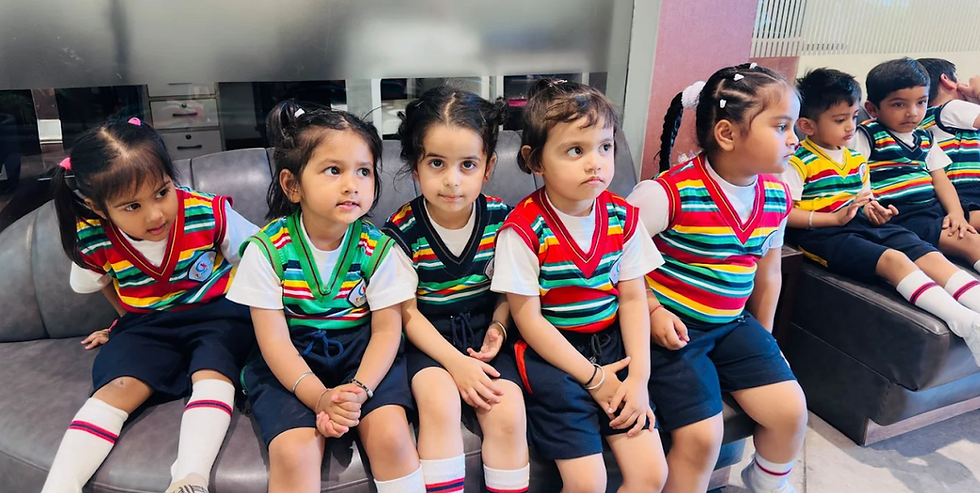
Conclusion
A child's first educational experience has a lasting impact on their personality, confidence, and love for learning. Choosing the right preschool means giving children the opportunity to grow in a caring environment where they are encouraged to explore, create, communicate, and develop essential life skills.
Quality early education focuses on the complete development of every child by combining play-based learning, experienced teachers, creative activities, and emotional support. When children enjoy learning from the very beginning, they build a strong foundation for future academic and personal success.
If you are searching for an environment that nurtures young minds with care, creativity, and confidence, selecting a trusted Play School in Panchkula is an important step toward your child's bright future. By choosing the Best Kindergarten in Panchkula, parents can ensure their children receive the guidance, encouragement, and joyful learning experiences needed to succeed in every stage of life.


Comments