


Why Are Parents Choosing Kindergarten Schools in Panchkula for Early Learning and Holistic Child Development?
- protinkerbellepkl
- 14 hours ago
- 5 min read

Early childhood is one of the most important stages in a child’s life. During these years, children develop essential cognitive, social, emotional, and communication skills that shape their future learning journey. Parents today understand the importance of selecting the right educational environment where their children can learn, explore, and grow with confidence.
Among the many educational options available, Kindergarten Schools in Panchkula have gained significant attention for providing nurturing environments that encourage creativity, curiosity, and overall development. A well-designed kindergarten program helps children build a strong foundation before they move on to formal schooling.
Many parents also look for the Best Play School in Panchkula because they understand that learning begins long before primary education. The right school combines academics, play-based activities, and emotional support to create a positive experience for young learners.
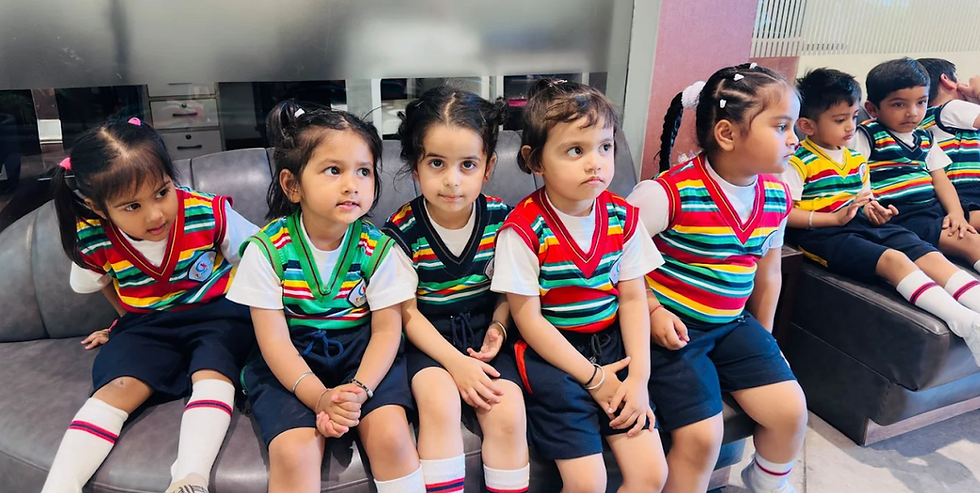
Why Early Childhood Education Matters
The first few years of a child’s life are crucial for brain development. Research consistently shows that children learn faster during these formative years than at any other stage of life. This is why early education plays such a vital role in preparing children for future academic success.
A quality kindergarten program focuses on developing:
Language and communication skills
Basic literacy and numeracy
Social interaction abilities
Emotional intelligence
Creativity and imagination
Problem-solving skills
Physical coordination and motor development
Children who receive structured early education often adapt more easily to formal schooling and demonstrate greater confidence in classroom settings.
Creating a Safe and Stimulating Learning Environment
One of the most important aspects of a kindergarten school is the learning environment. Young children need a space where they feel secure, comfortable, and encouraged to explore.
Modern kindergarten classrooms are designed to be colorful, engaging, and child-friendly. Learning materials, activity corners, and interactive tools help children develop curiosity while making education enjoyable.
A positive environment allows children to:
Ask questions freely
Participate in group activities
Express their ideas confidently
Learn through hands-on experiences
Build friendships naturally
When children enjoy their surroundings, learning becomes a natural process rather than a forced activity.
The Importance of Play-Based Learning
Play is not simply entertainment for young children. It is one of the most effective ways for them to learn and understand the world around them.
Through guided play activities, children develop critical thinking skills, creativity, teamwork, and communication abilities. Activities such as storytelling, role-playing, puzzles, art projects, and outdoor games help children absorb concepts more effectively.
Play-based learning encourages children to:
Explore new ideas
Develop imagination
Improve concentration
Enhance social skills
Build confidence
This balanced approach helps create lifelong learners who enjoy the educational process.
Building Strong Communication Skills
Communication is a key element of a child's overall development. Kindergarten programs focus on improving vocabulary, listening skills, and verbal expression through interactive activities.
Children participate in:
Storytelling sessions
Group discussions
Rhymes and songs
Show-and-tell activities
Creative conversations
These experiences help children express themselves confidently while improving their language abilities.
Strong communication skills also contribute to better social interactions and academic performance in later years.
Encouraging Social and Emotional Growth
Education is not only about academics. Emotional well-being is equally important during the early years.
Children learn how to:
Share with others
Respect different perspectives
Manage emotions
Develop empathy
Work in teams
Teachers play an important role in guiding children through these experiences. Positive reinforcement and supportive interactions help children feel valued and understood.
As children become emotionally secure, they develop stronger relationships and greater self-confidence.
What Parents Should Look for in a Quality Kindergarten
Choosing the right school requires careful consideration. Parents should evaluate several factors before making a decision.
Experienced educators are one of the most valuable assets of any school. Teachers who understand child psychology can create engaging learning experiences that support individual development.
Parents should also consider:
Child-friendly infrastructure
Safe and hygienic facilities
Balanced curriculum
Interactive teaching methods
Parent-teacher communication
Focus on overall development
A school that combines these elements can provide a meaningful educational experience for young learners.
How Kindergarten Programs Prepare Children for Future Success
The transition from home to school can be challenging for some children. Kindergarten programs help ease this transition by introducing structured learning in a supportive environment.
At this stage, children begin developing habits that will support future academic achievement. They learn how to:
Follow routines
Listen to instructions
Complete tasks independently
Participate in classroom activities
Interact positively with peers
The skills acquired during these years serve as building blocks for future education.
In fact, many parents searching for Kindergarten Schools in Panchkula prioritize institutions that focus on both academic readiness and personality development. Similarly, selecting the Best Play School in Panchkula can provide children with opportunities to develop confidence, curiosity, and a love for learning from an early age.
The Role of Creative Activities in Child Development
Creativity is an essential component of early education. Art, music, dance, and storytelling activities allow children to express themselves while developing important cognitive skills.
Creative experiences help children:
Improve imagination
Strengthen fine motor skills
Enhance concentration
Develop self-expression
Build problem-solving abilities
When children are encouraged to explore their creativity, they become more confident and independent thinkers.
Technology and Modern Learning Approaches
Many modern educational institutions incorporate age-appropriate technology into their teaching methods. Interactive learning tools can make lessons more engaging and improve understanding.
However, the best early education programs maintain a healthy balance between digital learning and hands-on experiences.
Children still benefit most from activities that involve physical interaction, social engagement, and real-world exploration. Technology should support learning rather than replace meaningful experiences.
The Importance of Outdoor Learning
Outdoor activities play a significant role in a child’s development. Time spent outdoors promotes physical fitness, social interaction, and emotional well-being.
Outdoor learning opportunities may include:
Nature exploration
Physical games
Group activities
Sensory experiences
Creative play sessions
These activities help children develop coordination, teamwork, and confidence while encouraging healthy lifestyles.
Parent-School Partnership
A successful educational journey depends on strong collaboration between parents and educators.
Regular communication helps parents stay informed about their child’s progress, strengths, and areas for improvement. Schools that encourage parental involvement create stronger support systems for children.
When parents and teachers work together, children receive consistent guidance both at home and in the classroom.
This partnership helps create a positive learning experience that supports long-term growth and development.
Developing Independence from an Early Age
One of the key goals of early education is helping children become independent learners.
Children gradually learn to:
Make simple decisions
Organize their belongings
Complete tasks independently
Take responsibility for actions
Build self-confidence
These skills prepare children for future academic challenges and everyday life situations.
An environment that encourages independence helps children develop resilience and confidence, qualities that benefit them throughout their lives.
Choosing the Right Early Learning Experience
Every child is unique, and their educational needs may vary. Parents should look for institutions that recognize and support individual learning styles.
A quality kindergarten focuses on creating meaningful experiences that inspire curiosity, confidence, and creativity.
The ideal school provides:
Safe surroundings
Caring educators
Interactive curriculum
Opportunities for exploration
Strong communication with families
These elements contribute to a positive and enriching educational journey.

Conclusion
Selecting the right early education program is one of the most important decisions parents make for their children. The foundation built during these formative years influences future academic success, personal growth, and social development.
As more families recognize the value of quality early learning, Kindergarten Schools in Panchkula continue to play a vital role in nurturing young minds through engaging and child-centered education. Parents searching for the Best Play School in Panchkula often prioritize institutions that combine safety, creativity, and holistic development to support every child's unique potential.
A nurturing environment, experienced educators, and a balanced curriculum can help children develop confidence, curiosity, and a lifelong love for learning, setting them on the path toward a bright and successful future.


Comments