


What Should Parents Look for in a Great Play School in Panchkula?

Choosing a school for the early years of your child is a decision that deserves careful thought. Preschool is not only about learning alphabets and numbers. It is the stage where children begin developing confidence, communication, creativity, independence, and social skills. Parents naturally want an environment where their child feels safe, happy, comfortable, and encouraged to learn. This is why choosing the Best Play School in Panchkula can give children a positive beginning to their educational journey. A good Best Playway School in Panchkula should combine learning, play, creativity, care, and age-appropriate activities so that children enjoy coming to school every day.

Why Are the Early Years So Important?
The early years of childhood are a period of rapid development. Children are naturally curious and learn by observing, asking questions, touching, moving, playing, and interacting with people around them. Their experiences during this stage can influence how they approach learning in later years.
A quality play school understands that young children cannot learn effectively through books and lectures alone. They need opportunities to explore and experience concepts in simple and enjoyable ways. Activities such as storytelling, music, art, building blocks, puzzles, role play, movement, and group games can make learning more meaningful.
Early education should also help children become comfortable outside their homes. For many children, preschool is their first regular experience of being away from parents. A caring school can make this transition smoother by creating a welcoming atmosphere where children feel secure and understood.
What Makes a Good Play School Different?
Every parent has different expectations, but certain qualities are important when selecting an early learning centre. A good play school should have a child-friendly environment, caring educators, engaging activities, appropriate learning resources, and a strong focus on overall development.
The purpose of play-based education is not simply to keep children busy. Each activity should have a learning purpose. For example, building blocks can improve coordination and problem-solving, while storytelling can support language development and imagination. Group activities can teach children how to communicate, share, cooperate, and respect others.
A well-planned routine can also help children develop healthy habits. Moving between learning activities, playtime, creative sessions, and quiet activities teaches children how to follow a routine without making their early school experience stressful.
Learning Through Play
Children naturally learn through play. When they are interested in an activity, they become more willing to participate, experiment, and try again. This makes play an effective way to introduce early concepts.
Instead of asking children to memorize everything, teachers can use games, stories, objects, pictures, music, and hands-on activities. Numbers can be introduced through counting games. Colours can be taught through art activities. Language can be developed through rhymes, conversations, storytelling, and picture books.
This approach can make education enjoyable while supporting different areas of development. Children can learn academic basics while also developing motor skills, communication abilities, creativity, confidence, and social awareness.
A Child-Centred Approach Matters
No two children learn in exactly the same way. Some children are naturally talkative, while others take more time to participate. Some enjoy drawing and creative activities, while others prefer building, movement, or storytelling.
A child-centred school recognises these differences and gives children opportunities to learn at their own pace. Teachers can observe children's interests and encourage them with suitable activities rather than expecting every child to respond in exactly the same way.
Tinkerbelle follows a play-based and activity-driven approach that combines teacher-led small-group sessions, independent directed learning, and child-initiated exploration. Its programmes include Playway for Pre-Nursery and Foundation Years I, II, and III for Nursery, LKG, and UKG.
Why Should Parents Look at the Learning Environment?
The physical environment has an important role in early education. Young children need spaces that allow them to move, explore, interact, and discover. Classrooms should be welcoming and organised with age-appropriate furniture, books, toys, learning materials, and activity areas.
A stimulating classroom can encourage children to ask questions and explore independently. At the same time, the environment should not be overwhelming. Children need a balance between active play, guided learning, creative work, and quiet moments.
Tinkerbelle's classrooms use colourful furniture, engaging displays, toys, learning centres, props, books, and interactive smart boards to support exploration and activity-based learning.
The Importance of Caring Teachers
Teachers are one of the most important parts of a preschool experience. Young children need educators who are patient, approachable, encouraging, and attentive to their individual needs.
A caring teacher does more than teach. Teachers help children become comfortable in a new environment, encourage them to express themselves, support positive behaviour, and celebrate their small achievements. When children feel respected and listened to, they are more likely to participate confidently.
Parents should observe how teachers interact with children when visiting a school. Are they patient? Do they listen to children? Do they encourage questions? Do children appear comfortable around them? These simple observations can tell parents a lot about the learning environment.
Building Social and Emotional Skills
Preschool is also an important place for children to develop social skills. At home, children may spend most of their time with parents and family members. School introduces them to new friends, teachers, routines, and situations.
Group activities give children opportunities to learn how to share, cooperate, wait for their turn, listen to others, and solve small disagreements. These experiences can gradually improve communication and emotional awareness.
Activities such as group interaction, storytelling, creative workshops, field trips, and mindfulness can provide children with different opportunities to build confidence and explore the world around them. Tinkerbelle lists these among its student programmes.
Creativity Should Be Part of Everyday Learning
Creativity is not limited to drawing or painting. It includes imagination, curiosity, experimentation, problem-solving, and the confidence to express ideas.
A strong preschool gives children opportunities to create without always expecting a perfect result. A child may use blocks to build something unusual, create a picture with different colours, make up a story, or participate in pretend play. These experiences allow children to think independently.
Music and movement can also support creativity. Singing, dancing, stage activities, and rhythm-based games help children express themselves while developing coordination and confidence.
Montessori-Inspired Learning and Independence
Montessori-inspired learning places importance on hands-on experiences, independence, exploration, and respect for a child's individual pace. When combined with play-based learning, it can create an engaging environment for young children.
Children can be encouraged to select activities, work with learning materials, complete simple tasks, and explore concepts independently while teachers provide guidance. This can help children develop concentration, responsibility, decision-making, and confidence.
Tinkerbelle's learning environment incorporates hands-on exploration and Montessori-inspired principles, with activity corners and child-friendly learning materials designed to encourage discovery and independence.
What Should Parents Check Before Admission?
Choosing a preschool should involve more than comparing names or advertisements. Parents should visit the school and understand how children spend their day.
Look at the classrooms, learning materials, play areas, cleanliness, safety arrangements, and overall atmosphere. Ask about the daily routine and teaching approach. It is also useful to understand how teachers communicate with parents and how children's progress is shared.
Parents should consider whether the school provides a balance between structured activities and free exploration. They should also ask whether children receive enough opportunities for physical activity, creative expression, social interaction, and quiet learning.
Most importantly, observe your child. Does your child appear comfortable in the environment? Does the atmosphere feel welcoming? These observations can help parents make a more confident decision.
Why Choose Tinkerbelle for Early Learning?
For families looking for a nurturing early learning environment in Panchkula, Tinkerbelle focuses on creating a balance between education, play, creativity, and personal attention. The school has been providing early childhood education since 2005 and offers programmes from Pre-Nursery through UKG.
Its approach focuses on curiosity, creativity, confidence, and overall development rather than academic learning alone. Children participate in structured and child-initiated activities, allowing them to learn through both guidance and exploration.
The school also provides opportunities beyond regular classroom activities. Field trips can introduce children to experiences outside the classroom, while creative workshops, group activities, and mindfulness sessions can support different aspects of their development.
How Can Parents Make the Right Choice?
There is no single formula for selecting a preschool because every child is different. However, parents can make a better decision by focusing on the things that genuinely matter for early childhood education.
Start by understanding your child's personality and needs. Then visit schools personally, talk to educators, observe classrooms, and ask questions about the curriculum and daily routine. Look for a school where teachers value children, learning is enjoyable, and activities support both academic and personal development.
Parents should also consider the school's communication with families. A strong partnership between parents and teachers helps adults understand children's progress and provide consistent support at home.
The right preschool should make children excited to learn rather than afraid of making mistakes. It should encourage questions, creativity, friendships, independence, and confidence.
A Happy Start Can Build a Strong Foundation
Early childhood education is about much more than preparing children for the next class. It is about helping them develop the attitudes and skills they will carry into future learning. When children learn in a supportive environment, they can gradually become more confident, independent, curious, and comfortable with new experiences.
For parents comparing options, the Best Play School in Panchkula should be one that understands the needs of young children and creates meaningful learning experiences through play, interaction, creativity, and care. A Best Playway School in Panchkula should also give equal importance to social, emotional, physical, creative, and early academic development.
Tinkerbelle offers a child-focused environment where learning is connected with exploration and enjoyable activities. Its play-based programmes, interactive classrooms, creative opportunities, and focus on holistic development make it a thoughtful option for families beginning their child's educational journey.
Conclusion
Choosing a preschool is one of the first major educational decisions parents make for their children. The right environment can help children develop confidence, curiosity, communication skills, independence, and a positive attitude toward learning.
When searching for the Best Play School in Panchkula, parents should look beyond academics and consider the complete experience offered to children. A caring teaching team, safe environment, play-based learning, creative activities, social interaction, and strong parent-school communication can make the early years more enjoyable and meaningful.
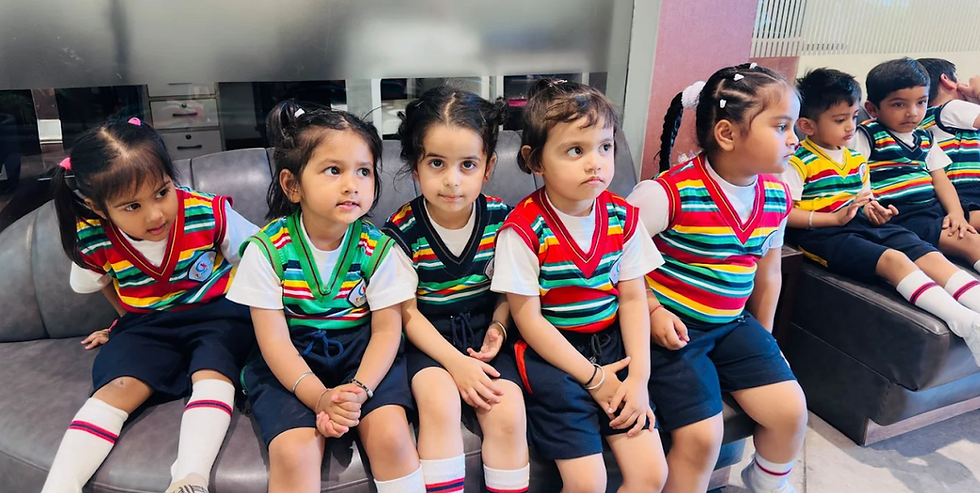
A Best Playway School in Panchkula should ultimately give children the freedom to learn, explore, ask questions, make friends, and discover their abilities in a supportive environment. With its child-centred approach and activity-based learning environment, Tinkerbelle provides children with a joyful beginning that can help prepare them for the next stages of their educational journey.


Comments